Seeking Refuge
A New Bern story - Part I

My seventh great grandfather George Kornegay fled Europe with his family in 1710. I am back in Europe now, more than 300 years later, sharing his journey in this multi-part series.
I’ve been interested in genealogy and family history since I was in elementary school at least. I was often searching for my last name on AOL or eBay on our first-generation light blue Apple desktop computer, looking for lost family heirlooms or forgotten histories - in between caring for my Neopets.
But in my years of ancestry research, I never had traced my family in New Bern, North Carolina, my grandmother Margaret’s family, back to Europe.
She told me that her grandmother, Agnes DeBruhl (1872-1965) had been proud of her roots in the Alsace, which is the region of France right across the border from the Palatinate area of Germany, along the Rhine River. In my grandmother’s writings I found after she passed, she wrote about her family’s ties to Europe and the oral history that informed these stories.
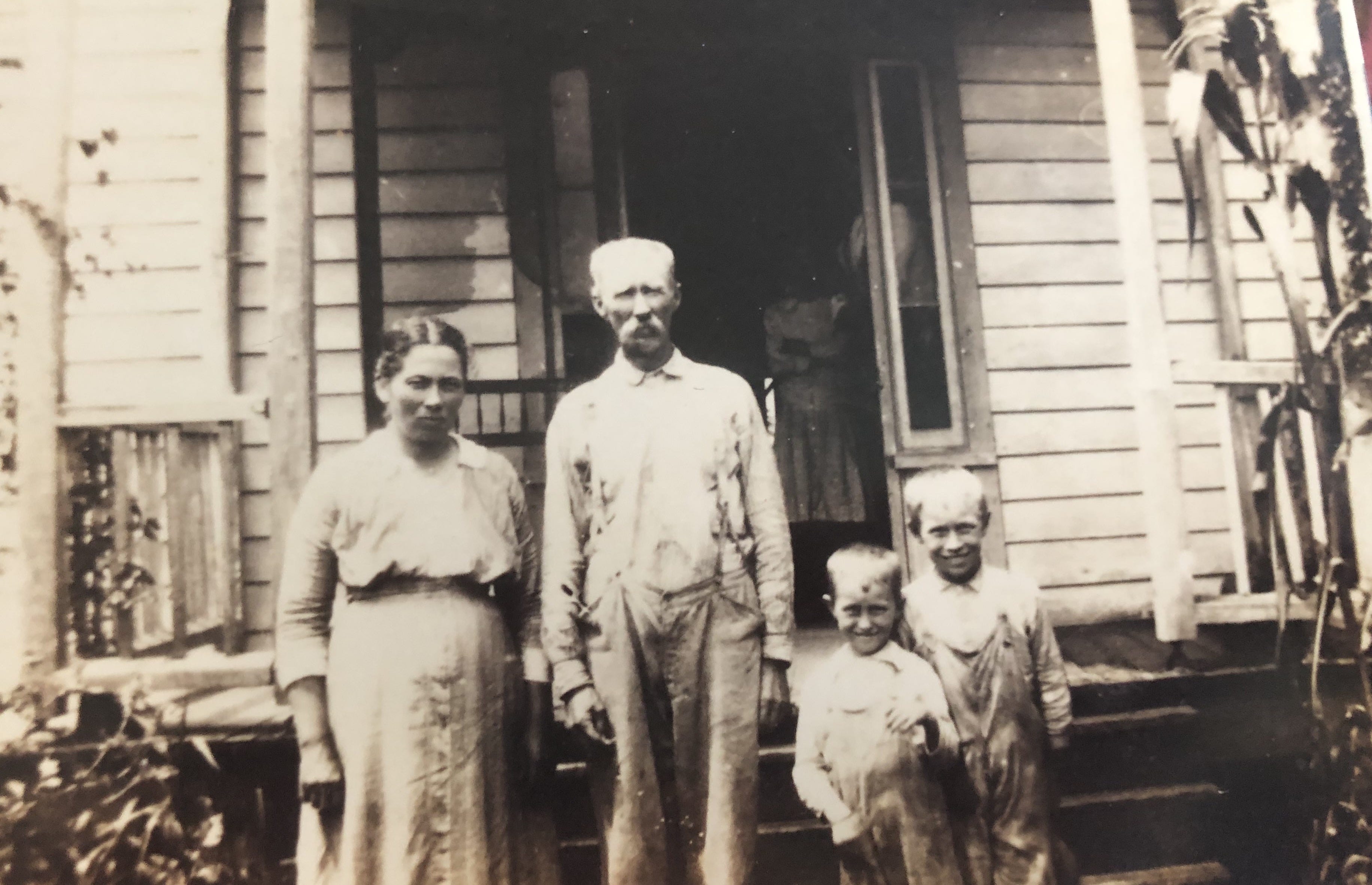
“...[W]hen we left the farm at all, we used the north end of the loop to go to the nearest community, Rhems, nearest the county line. There, my grandparents presided over the community - Rhems Methodist Church which they founded, a store that they owned, and a railroad crossing with ‘Rhems’ written large on each end of a covered platform. Grandfather George Simmons (1861-1931) was influential in coordinating the intersection of the Norfolk and Southern railroad with the interstate highway.
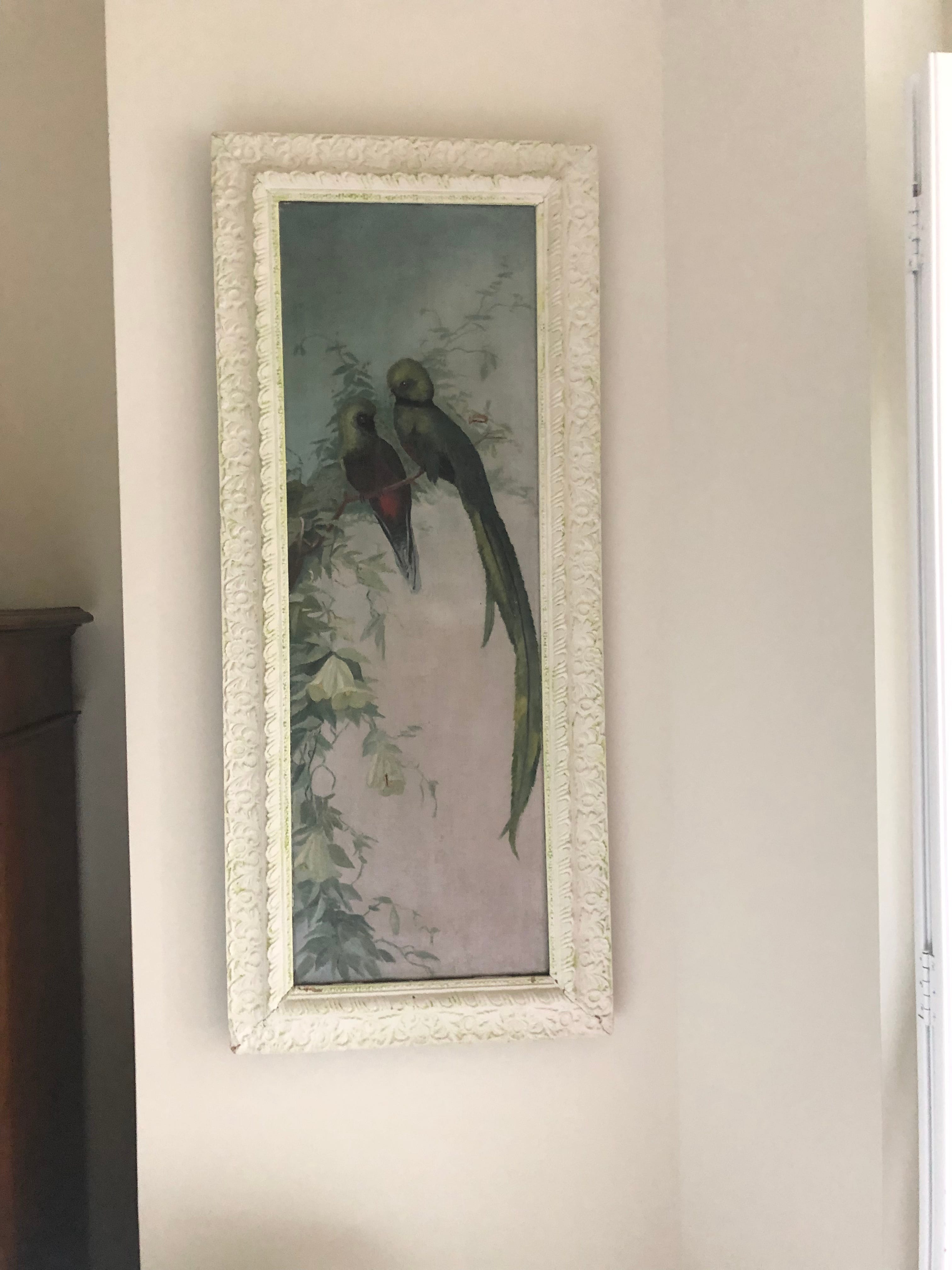
He named the railroad station to please grandmother, Agnes DeBruhl Simmons, known in the community as ‘Madame Queen.’ Grandmother boasted French heritage of Rheims in the Alsace Lorraine area of France. Grandmother Agnes was educated and quite accomplished; remember her nice painting in my house now? Grandfather George was a successful businessman. The question is, why did he name the crossing ‘Rhems’ rather than Rheims? In any event, the Norfolk and Southern railroad brought the Simmons family from the old family farm to a new, up-to-date, house on Highway 17 around 1917.”
— Margaret Vining (1933-2018)
My grandmother was curious to know more about her European heritage. She often traveled to Europe, to Paris, Barcelona, Budapest, Glasgow, even living in Stuttgart, Germany. Once she noted that the handmade lace curtains we saw in Hungary looked like the ones her grandmother had in North Carolina, wondering aloud if perhaps our family had roots in Eastern Europe.
Our New Bern family has been in the US for hundreds of years – so I agreed with her that based on my cursory ancestry research it just seemed they’d been “staying in the same swamp for generations,” as she described it. Regrettably I just let our European roots continue to remain a mystery for many years.
I remember being in her beautiful kitchen in Washington, DC chatting, sitting around her round wooden kitchen island eating pickled okra, fresh bread with butter, triscuits, or those fresh cucumber pickles she made with chopped up white onions.
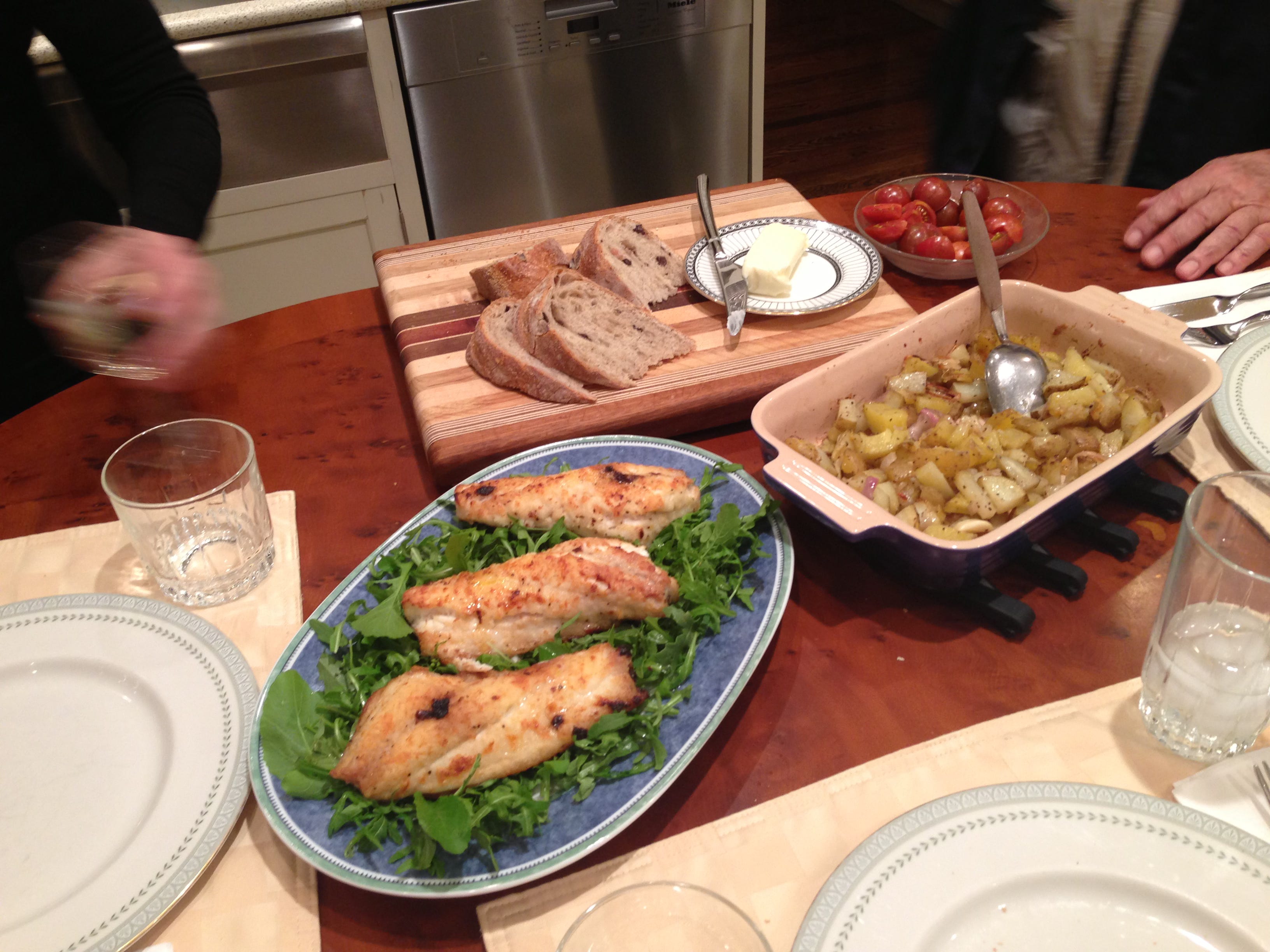
My grandma was a professional historian, a curator of women’s military history at the Smithsonian. She and I shared a passion for preserving history and uncovering untold stories. In the first few years after I graduated college, I worked at a research institute dedicated to preserving Palestinian history. She and I would bond over peer reviewed historical research articles and old photos from WWI, the fall of the Ottoman Empire, the British Mandate of Palestine. We spent many afternoons and evenings retelling each other stories from recent articles we’d read. She would pick out articles, folding magazines or journals open at the start and put them on my spot at the table for me to read. She was a great listener, better than me.
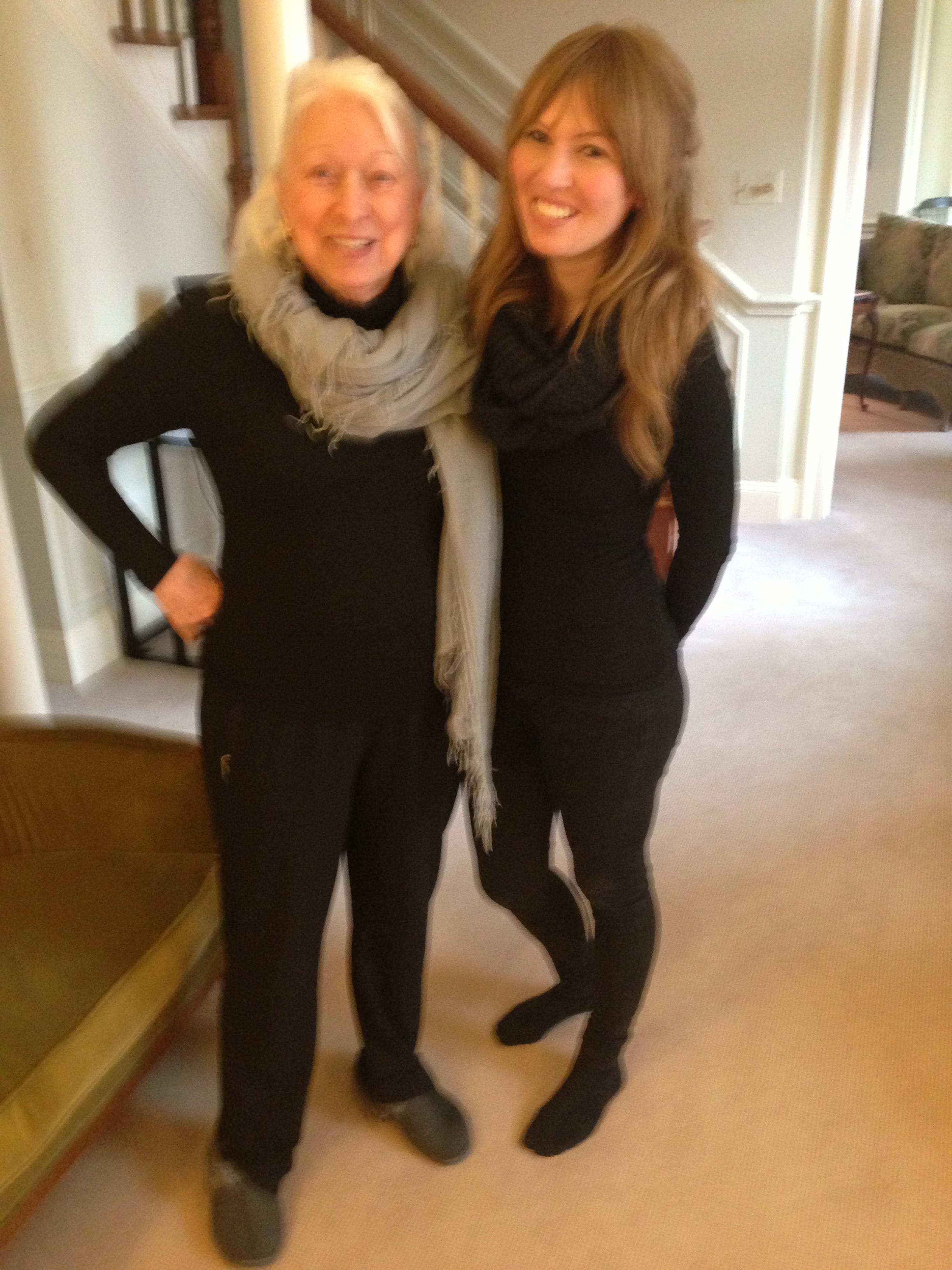
Years after she passed, I finally traced her family back to Europe and in doing so I discovered the incredible story of my seventh great grandfather, George Kornegay (1701-1773). George along with his parents, siblings, and grandparents were the first people in our family to arrive to New Bern, NC from Europe. George was the first person in our family to own our farm where my grandmother grew up. He was likely a survivor of a pirate ship attack, and just a year later, he became the only survivor in our family of the Tuscarora massacre. He was kidnapped and orphaned in a massacre that killed 130 men, women, and children. He would go on to own huge swaths of farmland in Eastern NC, including land that is now ours.
I wish I had dug deeper back then into this branch of our family tree - so I could have shared his story with her around the kitchen table, over homemade pickles and triscuits and fresh baked bread and soft salty butter. I’m sure she would have loved to hear the stories of his journey, and confirmed that our family really was from the Alsace region like her grandmother had always said – at least from the area right across the Rhine river. Perhaps, that is the true origin of the name Rhems, the town my great great grandparents named.
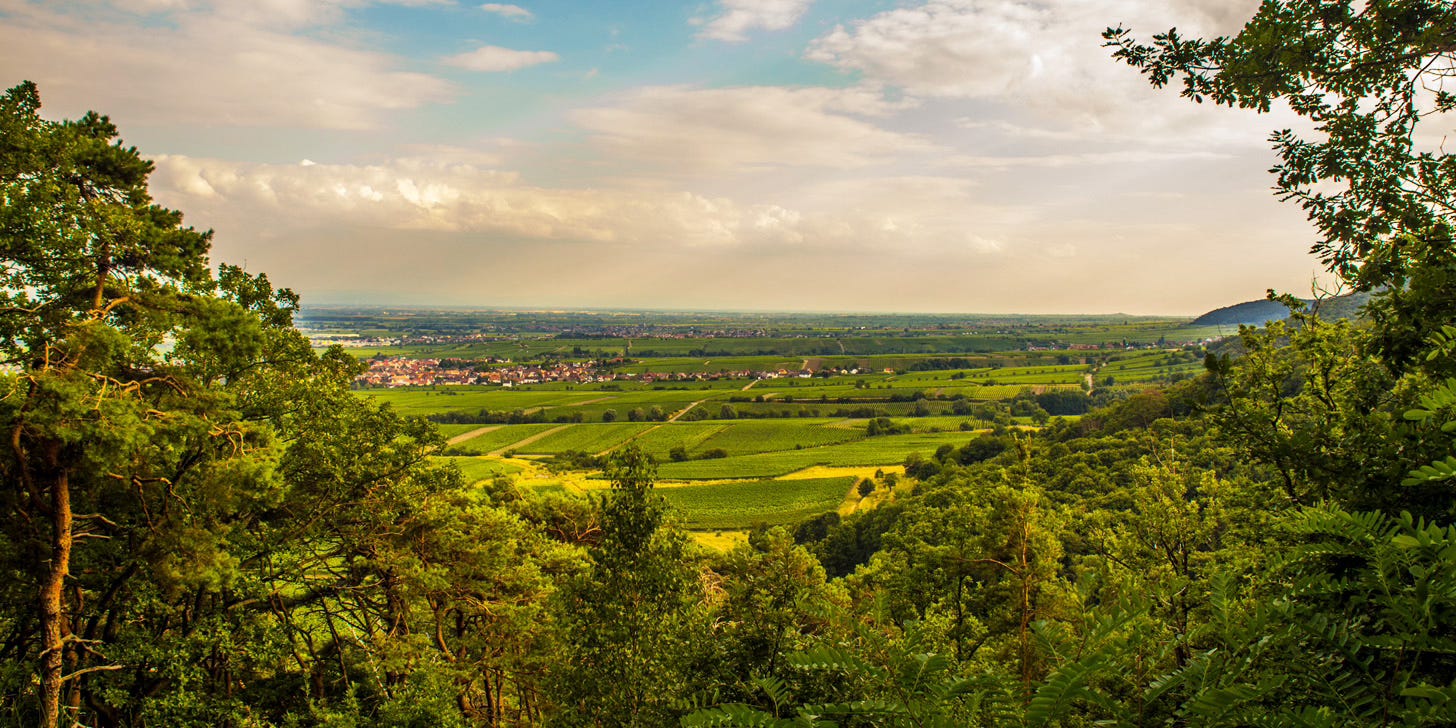
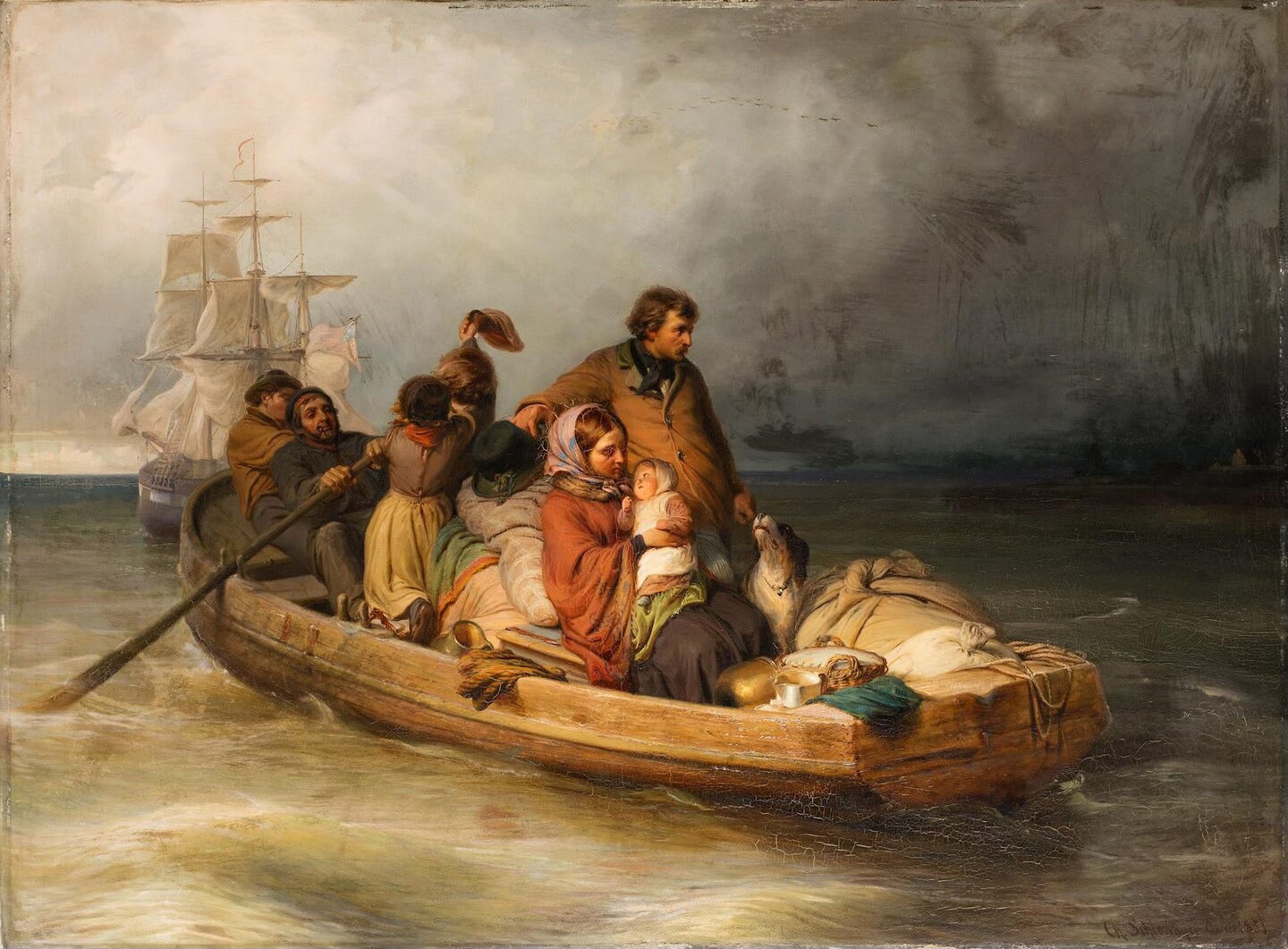
George Kornegay was around eight years old when his family left Europe. They were Palatines from either Switzerland or the German Palatinate area in the South along the Rhine River (right across from the Alsace as claimed by my great great grandmother, Agnes). His family and many of their neighbors fled first to England, escaping from repeated wars and a cruelly harsh winter in 1708. They took refuge in tents along the Thames River in London, hoping that Queen Anne would help them as fellow Protestants to seek a new life in America.
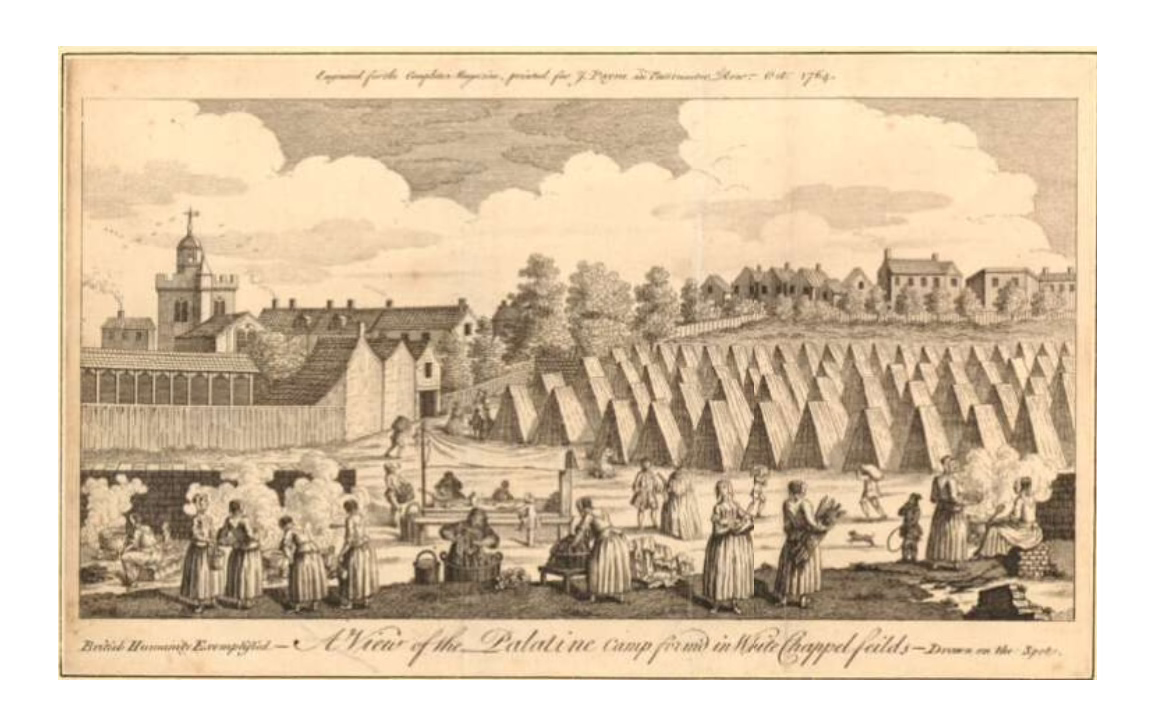
He and his parents, younger siblings, and grandparents were part of one of the two voyages that came to New Bern, NC in 1710, as part of the settlement led by Swiss nobleman, Baron Christoph von Graffenried.
It’s not clear if the Kornegay family came on the first ill-fated voyage with John Lawson – a trip that was poorly provisioned and made up of Palatine families already weakened and ill from living in poor conditions in refugee camps and drafty tents in London. This first trip from England to Virginia, then to North Carolina set sail in January 1710 and should have taken 6 to 10 weeks, but instead the ship didn’t arrive in Virginia for 13 weeks. It was a treacherous voyage that resulted in the death of more than half of the passengers. Even as they were within sights of the coast of Virginia, they were attacked by French privateers. The pirates plundered what little supplies and clothes they had, leaving them even more destitute and heartbroken upon their arrival.
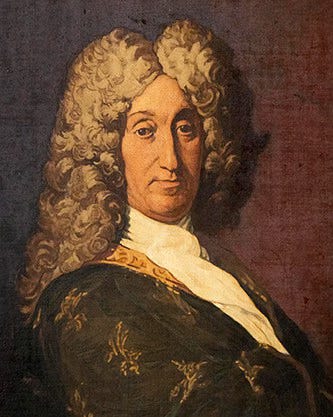
Baron von Graffenried wrote his account of this journey and the arrival of the first ships to New Bern.
“This took place in the winter—in January—and then, because of the rough winds and storms, this ship was so driven about that it did not arrive in Virginia until after thirteen weeks. This, along with the salt food to which the people were not accustomed, and the fact that they were so closely confined, contributed very much to the sickness and death of many upon the sea. Others could not restrain their desires when they came to land, drank too much fresh water and overloaded themselves with raw fruit, so that they died of fever, and this colony therefore had half died off before it was well settled.
The one ship which was filled with the best goods and on which those in best circumstances were traveling, had the misfortune, at the mouth of the James River, in sight of an English man-of-war, which however lay at anchor, to be attacked by a bold French privateer and plundered. This is the first misfortune.”
— Baron von Graffenried
Baron von Graffenried led a second ship of families from Bern, to New Bern. This ship “had a favorable passage with me in a good and favorable time of year, with plenty of room, and not one sick on the way.”When this second group arrived though, they were shocked by the conditions of the earlier arrivals whose “misery and wretchedness were almost indescribable.”
New Bern is beautiful. It is nestled out on a point of green sandy swampy land where the Neuse River meets the Trent River. It is the town that inspired many Nicholas Sparks romance novels and was described by the New York Times as the “Capital of Love.” Its historic buildings were spared the destruction faced by other Southern cities (like my hometown, Atlanta) during the Civil War, as it was occupied by the Union and served as a refuge for people escaping enslavement. More recently New Bern welcomed more than 1,800 refugees from Burma in the early 2000s.
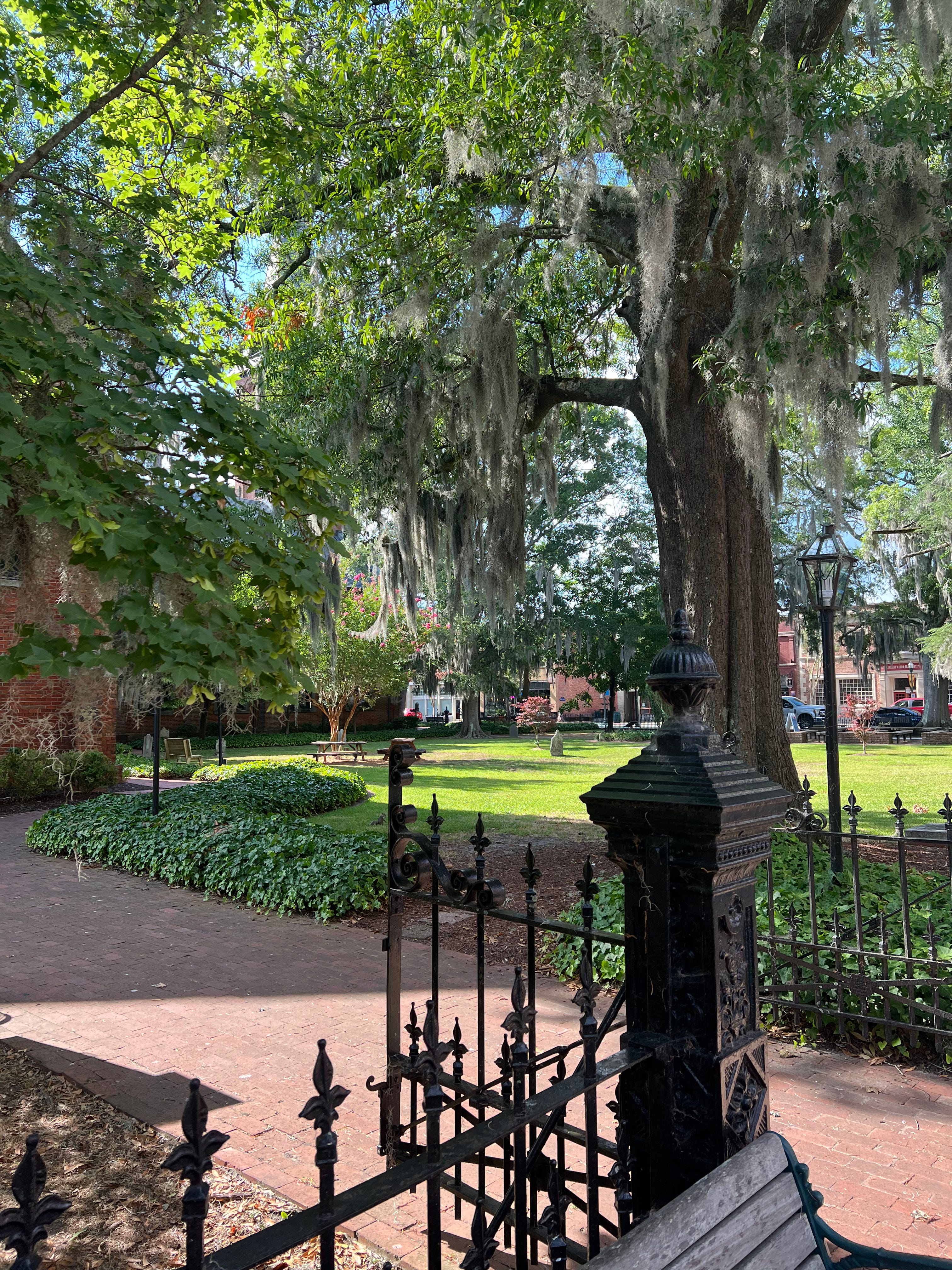
Once during “Covid,” a term I feel like we all use to describe those bizarre desolate years between mid-March 2020 and sometime in 2022, my husband and I drove from DC to New Bern. It was wintertime, and in DC everyone was wearing masks, and averting our eyes from each other, as if by not looking at each other we might avoid spreading disease.
We arrived in New Bern in the evening, unloading our car at the cozily appointed carriage house in the backyard of a beautiful old Victorian home in downtown. As the sun set, we walked the old cobblestone streets, past the Swiss inspired bear flags and Spanish moss decorated oaks, branches lit up by streetlights and Christmas lights, till we arrived on the bank off the Neuse. The water was completely obscured by a thick magical fog that felt transformative – transporting us back in time.
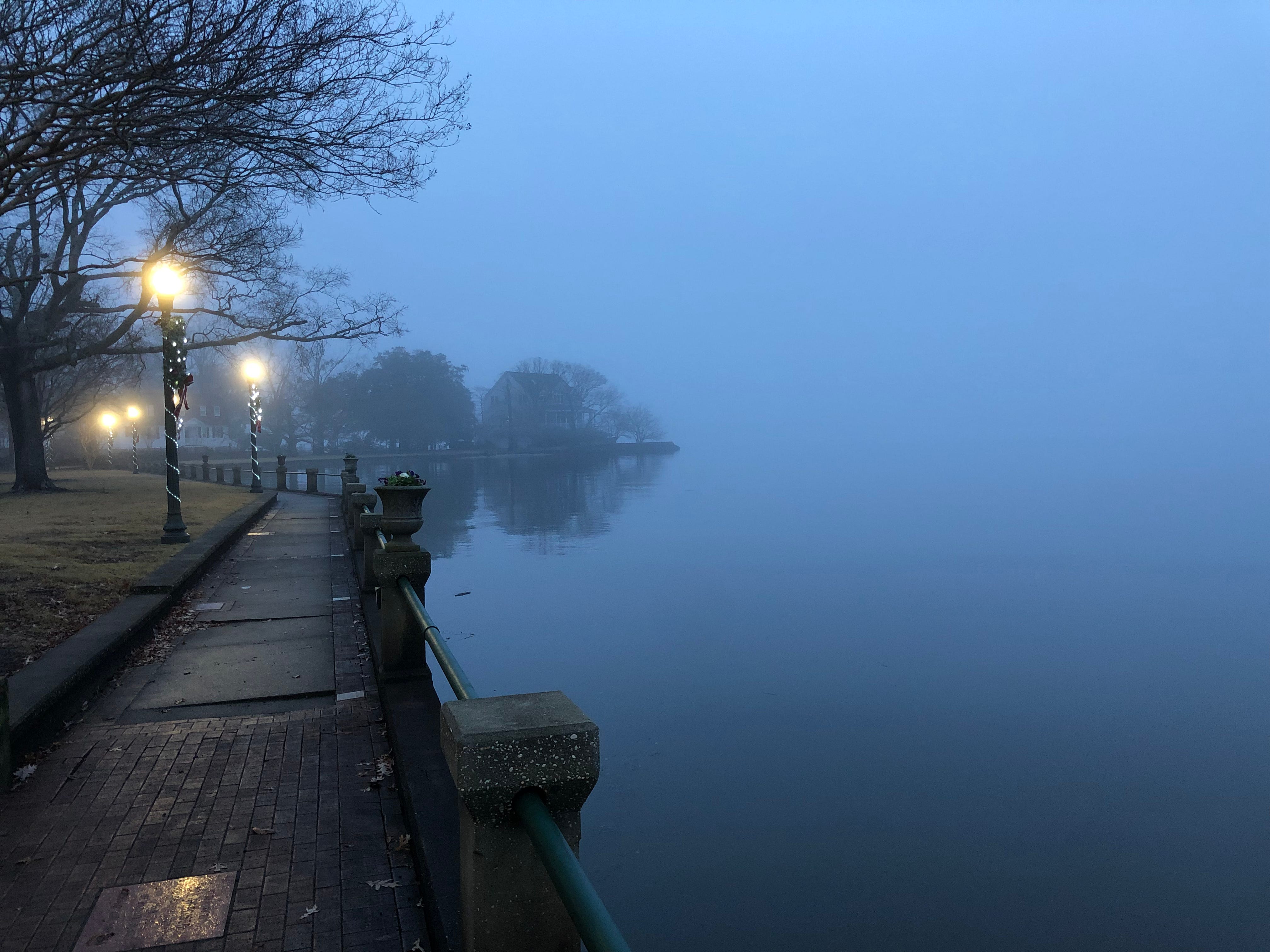
Even in the fog and darkness, people on the streets smiled and nodded our way. It felt like a refuge from where we had been, from the stress and tension that enveloped DC during those years.
I wonder if my seventh great grandfather felt like that upon his arrival in New Bern too. If the fog and oak trees were a welcome sight after his harrowing journey. Or perhaps he had the sense already that more turmoil and loss lay ahead.
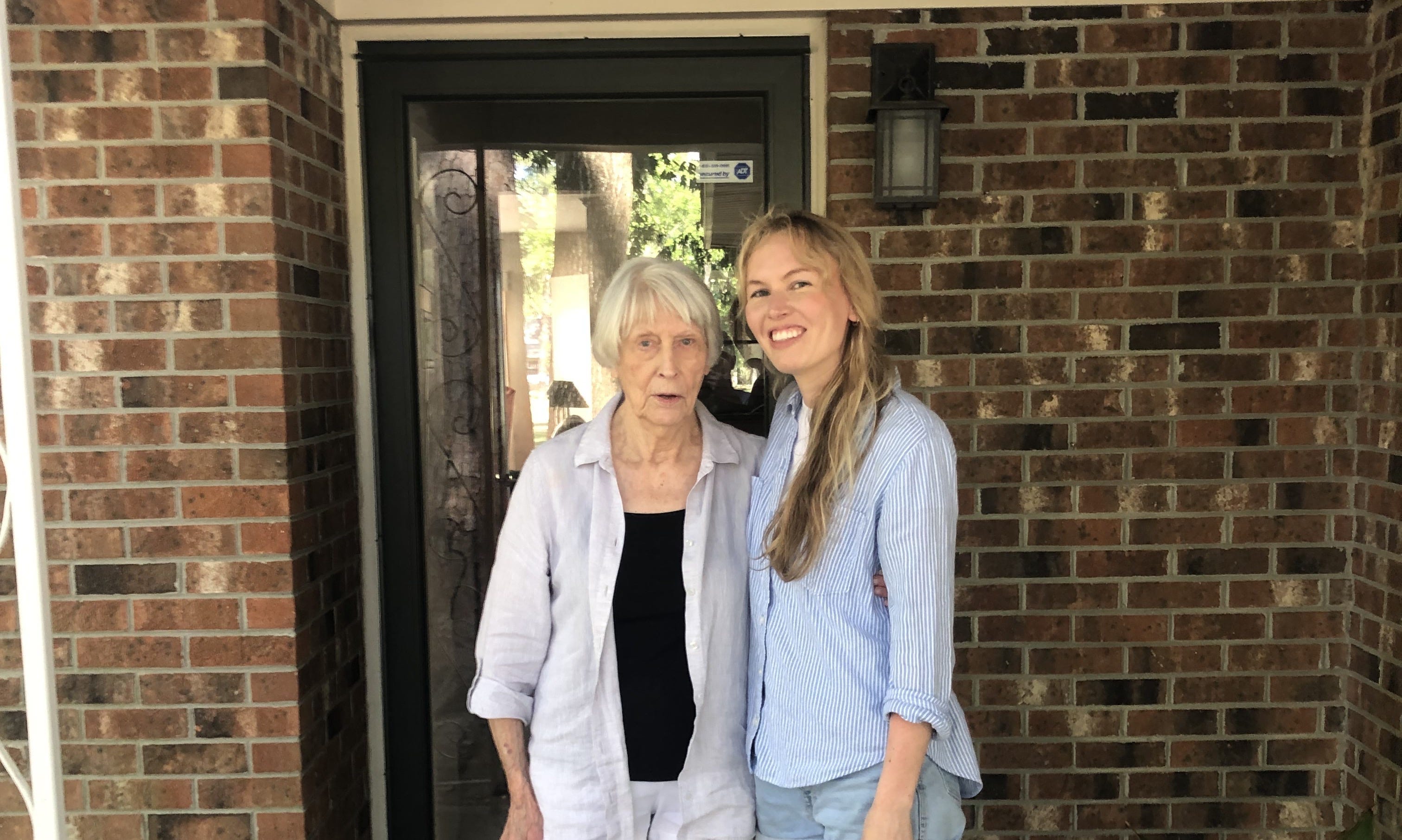
I shared the story of George Kornegay and his journey from Switzerland or Germany to England, then to New Bern with my great aunt, my grandmother’s sister, Ann who still lives in New Bern. I bought her a fantastic book called The Tuscarora War, by David La Vere and we talked about all the places she recognized in the book, from the history all around where she lives in and grew up on the farm. (I highly recommend reading this book if you are interested in the history of this part of the country.)
She told me when she was a girl, they would often find arrowheads on the farm, out in the fields when they were playing – clues about the not so distant past.
I will share more about George’s story, and what lay ahead for the Palatines and Swiss immigrants on their arrival to New Bern in future articles.
For now, I will share this excerpt from an article about the Tuscarora Indians who arrived in what would become New Bern around 1400, around 300 years before my seventh great grandfather, George arrived from the Rhineland-Palatinate in Europe.
“In their new land, the Tuscarora raised beans, peas, squash, melons, pumpkins, sweet potatoes, and corn. Tobacco was a sacred herb, its smoke used in ceremonials and prayers. Villagers tended apple, quince, and cherry orchards near their towns. Hunting parties ranged widely, making temporary camps and often ‘firing’ the woods to drive game toward their arrows. Tuscarora kings were male but, as was true for all Carolina tribes, their line of descent was matrilineal, passing from the mother to the sister of the king, and on down to her children.”
— Jim Shamlin, 1992