
Our land
A farm story

I visit my grandmother on the farm in my dreams. Our land exists across time and space, connecting both the living and the passed on like a never-ending chain.
When my grandmother was sick, she read me a poem about returning to dust, to dirt, to sand. She printed it out on the printer by her desk and held the paper in her hands. I can still picture her reading it aloud in her office on the bright first floor of her stately Capitol Hill light green townhouse in Washington, DC. It made me sad, I didn’t want to hear it. It felt like too simple of a poem to encompass her – facing the great beyond. Now I wonder if perhaps, the dirt, the dust, the sand is the soil of our land, of our farm.
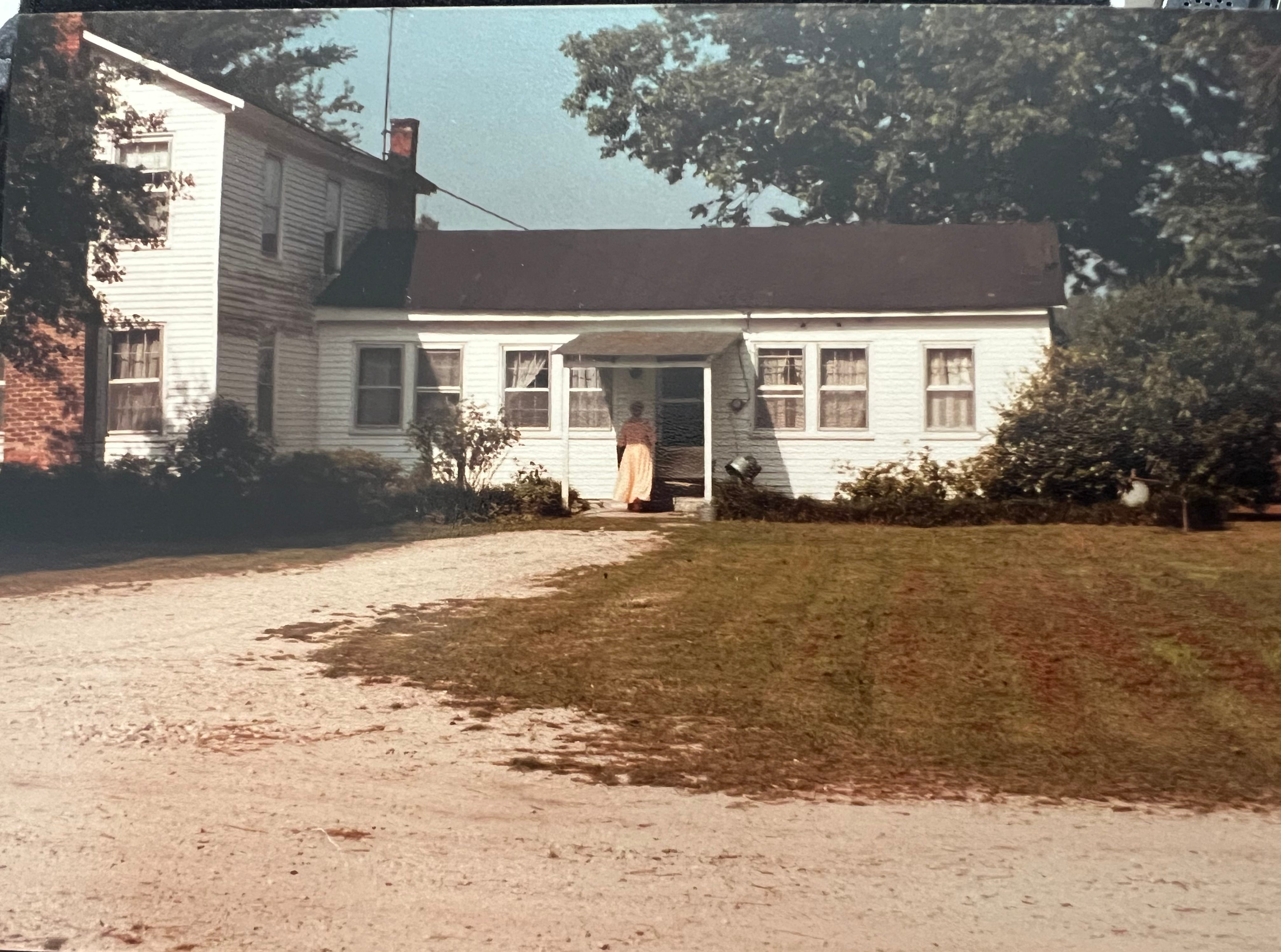
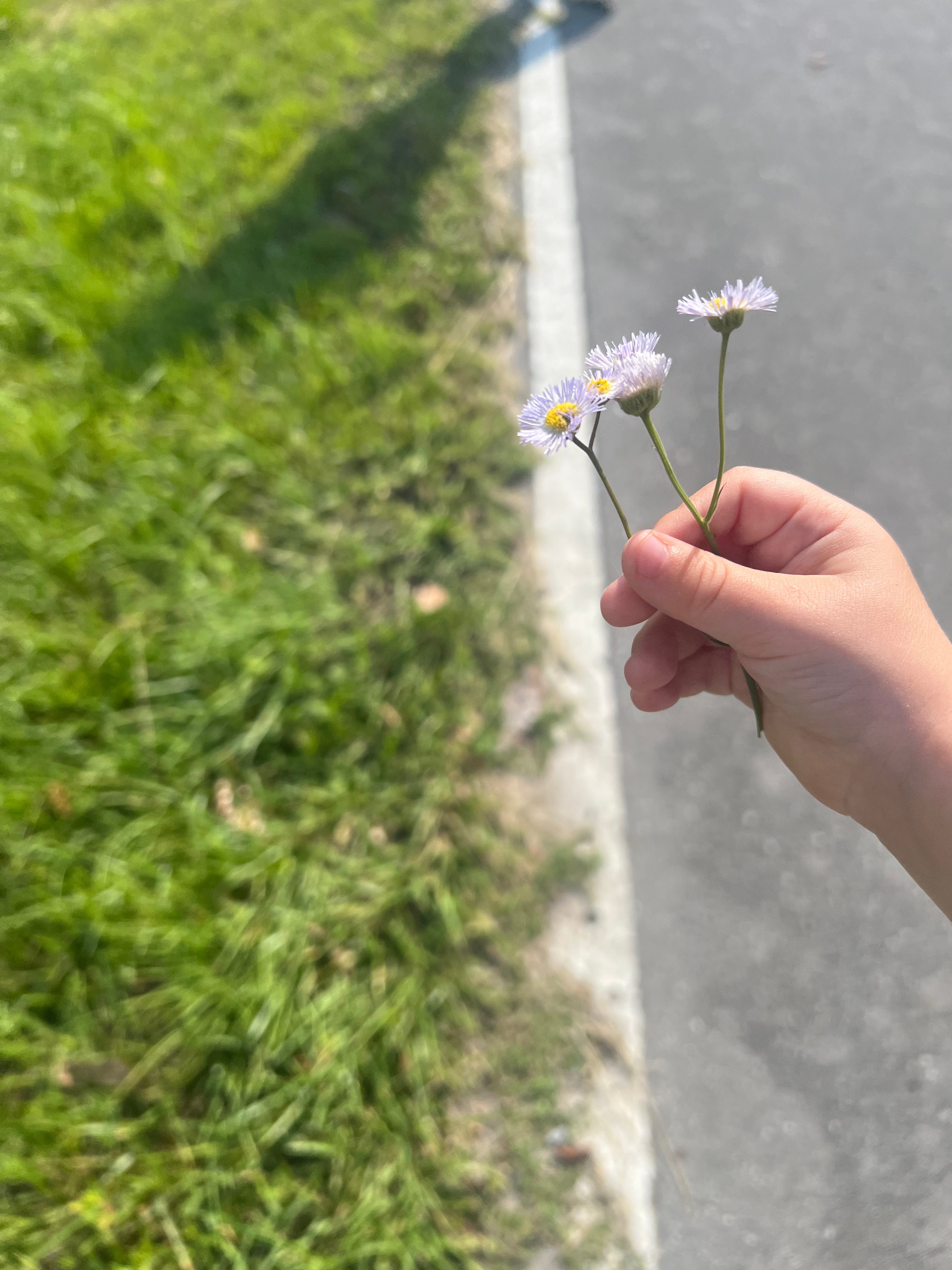
She came to me a dream a few years after she died. I met her on the farm. There was a beautiful white farm house – like there once was before. It was sunny and bright, there were yellow flowers and I was working with my mom’s cousin, Dan, in the tall grasses beside the road. She smiled at me. We held up our arms to the sky as cotton rained down on us, in bright white fluffy tufts, like angels. My mom always called those flying white tufted seeds, angels when we were kids.
I awoke and knew she was sending me a message, telling me to return to the farm. I called my mom and told her about the dream, and asked her about the farm. She sheepishly told that her brother had written and asked her to sign an agreement with a realtor to sell the farm the day before.
Between what should and what should not be
Everything is liable to explode. Many times
I was told who has no land has no sea. My father
Learned to fly in a dream. This is the story
Of a sycamore tree he used to climb
When he was young to watch the rain.
…
— Fady Joudah
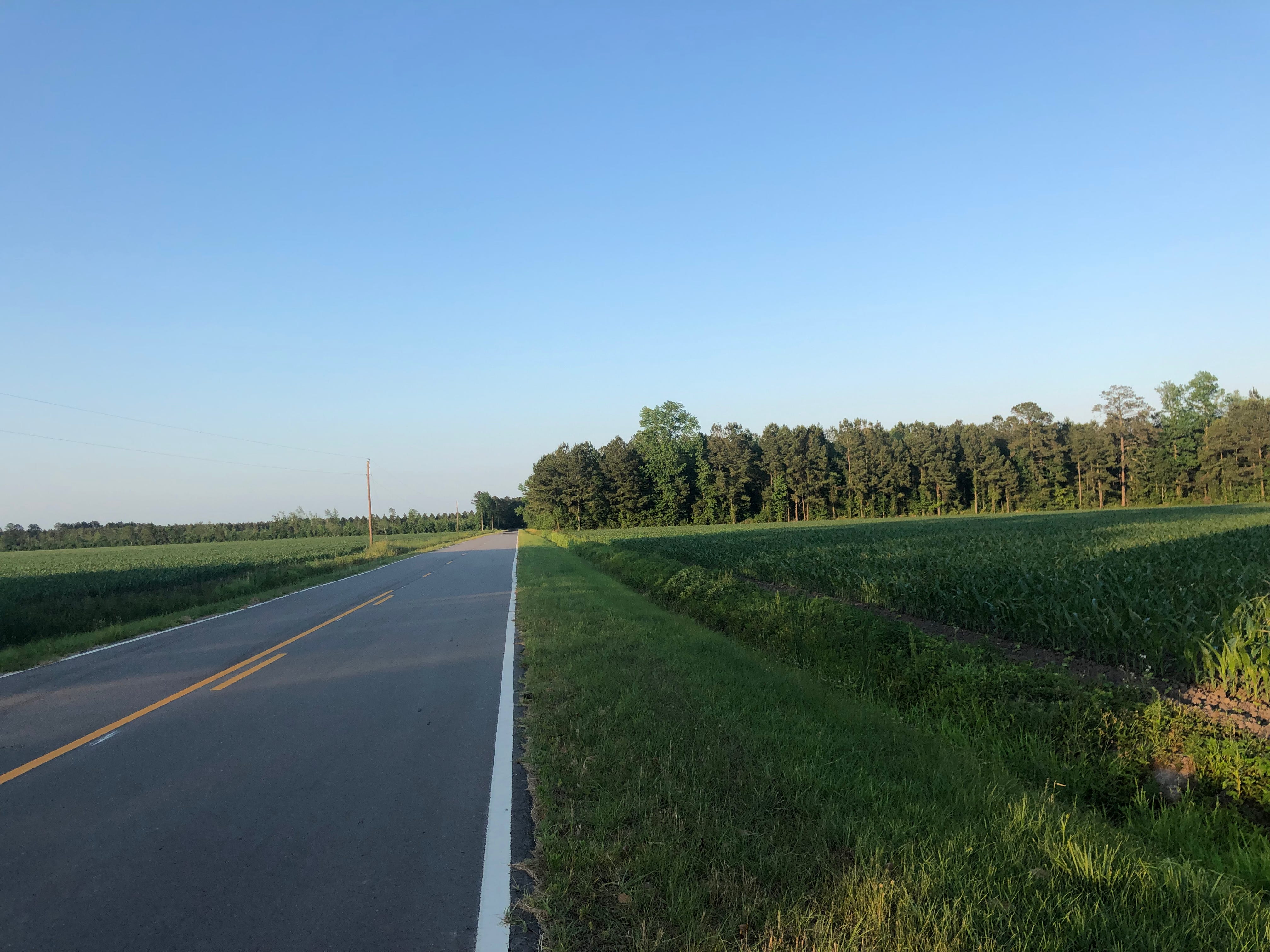
Our farm is in Eastern North Carolina, not too far from the white beaches of the barrier island, Emerald Isle where my dad grew up surfing and running barefoot, and the wide rivers and brackish waters of the Neuse and Trent rivers and the Pamlico Sound where my great grandfather fished. It is surrounded by tall pines, and is home to wild turkeys, snakes, quail, and sometimes even bears. Last time I was there, my son found a puddle filled with tadpoles. My mom says the farm used to come alive at night with the sound of tiny toads and frogs, a cacophony of swampy songs. After her granddaddy, George started using pesticides, the frogs went quiet.
Some years we let part of the land grow wild, fill in like the wildflower prairies that used to cover this area. The sound of crickets and buzzing of bees fills the air when you’re out there. It’s the most magical symphony. Most years it’s quiet though, walking between the rows of corns or soybeans, on the quiet street, named for our ancestors, that used to be dirt until I was a kid.
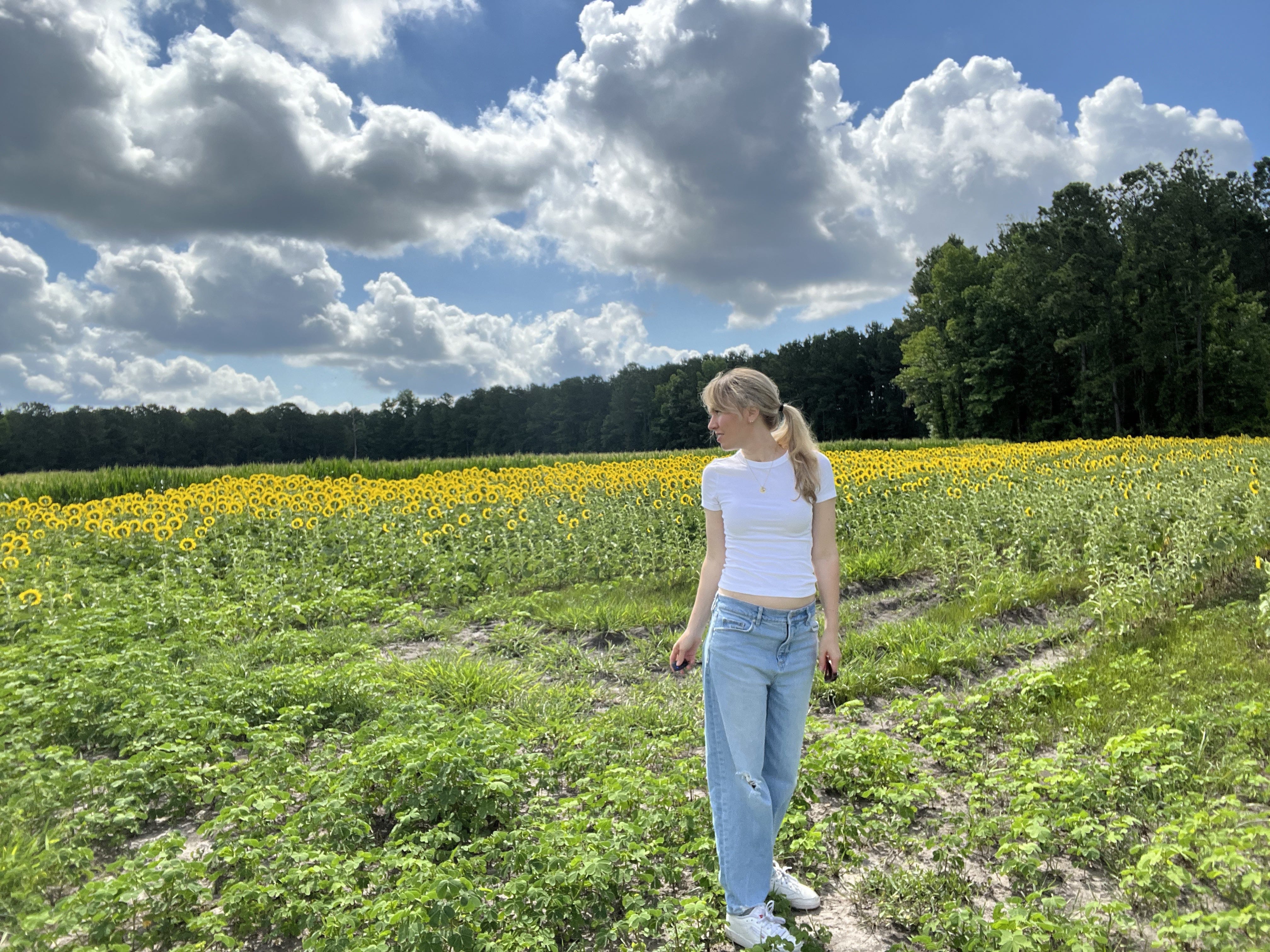
For the past few years, I’ve asked the farmer who now leases our land to plant sunflowers on a portion of our land. He plants them with his corn planter in long thin rows. They reach up towards the sky, their faces round and hopeful, brimming with bees and sunshine. I went there by myself when I was pregnant to see them, to pick them – communing with the flowers, with the bees, with my grandmother, with the hundreds of years of my ancestors, my great great great great great great grandmothers and grandfathers who birthed and loved their children here on this soil.
My husband proposed to me here. We drove from the sandy island where my dad is from, stopping for M&M Mcflurries, out to the farm. The sun was setting and the orange lilies on the side of the road were waving to us in the breeze. He walked me out to where the pines meet the fields. There were quails fluttering in the ditch by the road, and a peach tree winking at us in the sunshine near the Magnolia tree my great grandparents planted. In all the photos he took of us that day, there is a ray of sun shining right on us – my grandmother maybe smiling at us from just behind the pines.
My mom says her grandparents told her not to play in the woods, that you’ll be taken by the Indians. She didn’t know then that our great grandfather seven times back, a Palatine brought to North Carolina in 1710, had been kidnapped when he was just seven years old by Tuscarora Indians here in the woods outside New Bern and lived with them for two years. I wonder how he learned to speak their language, and if any of their mothers cared for him, held his hand, a young boy, orphaned by their husbands and brothers. He went on to have nine sons and one daughter and left this piece of land, our land, to his only daughter, Mary.
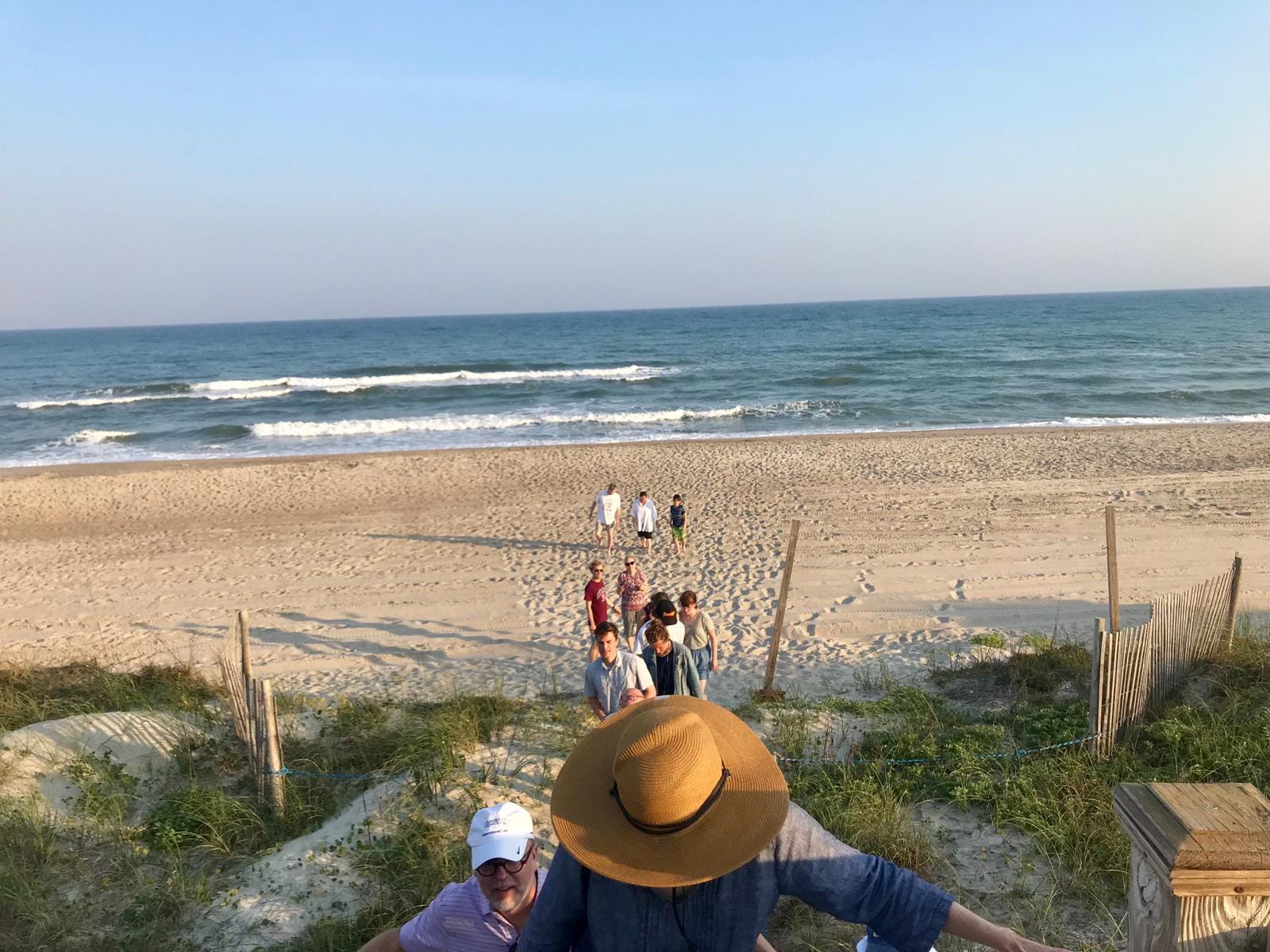
It’s fitting somehow that our land, not big, and today even smaller, belonged to the one daughter of an orphan with nine sons. The day after my now husband proposed, we spread my grandmother’s ashes in the waves on the island where my dad is from, Emerald Isle. The waves were too big that day for us to swim out. My uncles wanted to honor her life like a surfer, sitting on their boards in a circle in the water, but the ocean was dark and choppy that day, the shore recently reshaped by a hurricane.
I feel her presence when we go to the sands of the beach on Emerald Isle, and when we go to the farm, in the breeze and sunshine – but my grandmother was a historian, so a part of me always wishes she had a gravestone, a landmark to visit with her name and birth and death dates inscribed for the generations after her, after us, to know she was here, an inscription in stone stuck into the dirt.
That day my grandmother’s younger sister, Susan told us a story I’d never heard before about the daughter of the farm, and her namesake, Susan who protected the land from “carpet baggers” after the Civil War. The farm in located in between the then Union occupied New Bern, and the Confederate occupied, Kinston.
According to Susan’s story, the farm had been ransacked after the war, and only one daughter was out there alone one day, past the woods, down the dirt road, in a small farmhouse among the fields alone, with their one remaining farm animal – a horse. The “carpet baggers” came onto the farm looking for anything left to take and this Susan took the horse and gun into the farm house, leading the horse to the top floor. She looked out the window and shot at the men from her perch – screaming at them to leave. In the story my grandmother’s sister, Susan told us, this farm Susan killed one of the men. We were a bit freaked out listening to be honest, newly engaged, with visions of orange ditch lilies and photo ready golden hour on our mind – transported back to a violent and painful history.
I’ve searched the family tree for this Susan and I think maybe I found her. Born in 1835, so she would have been around 30 when the Civil War ended. She was her parents’ only daughter who survived to adulthood, the only sister to seven brothers. She was buried down the street from the farm it would appear. Her one daughter was Agnes DeBruhl, the great grandmother to my mom, who my mom knew as a child and who everyone called Big Mama.
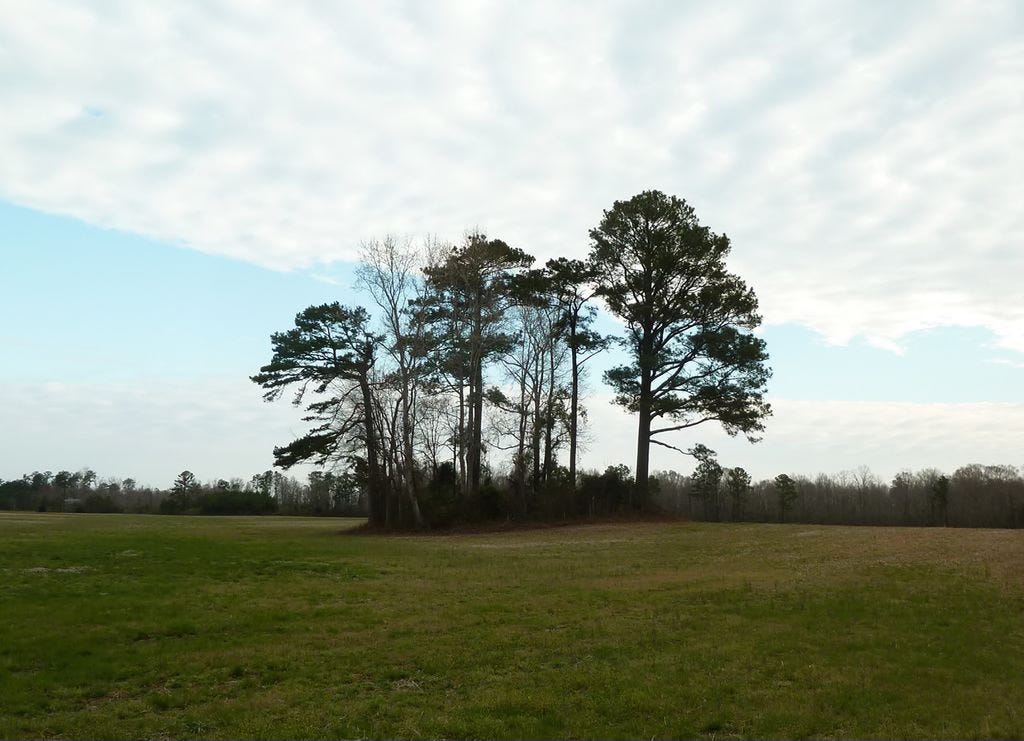
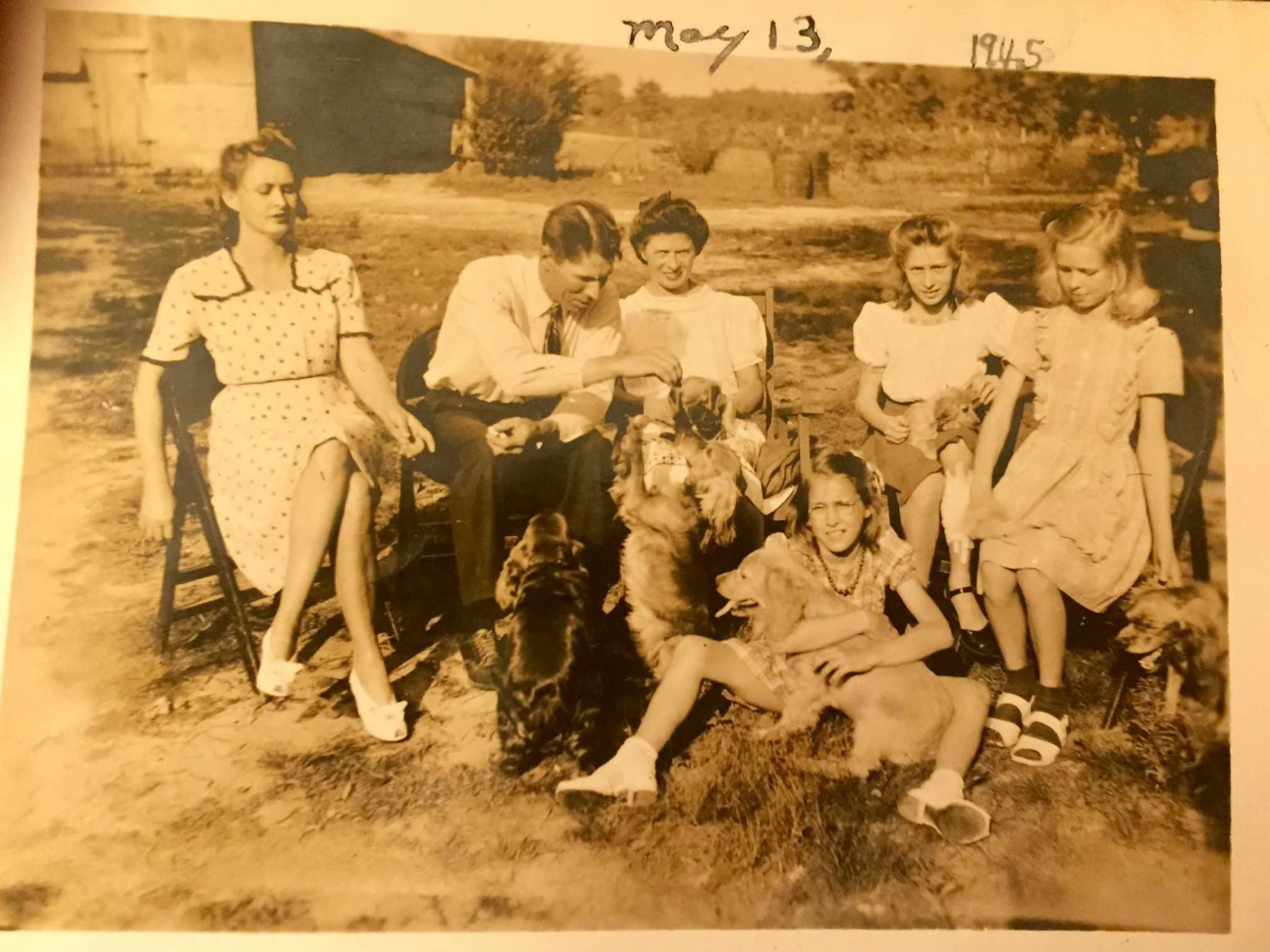
Time seems to move slower and also somehow also be closer, shorter, on the farm. The memories of the Susans’ past hiding between the grasses and ditch lilies. In the city, history seems immensely far apart and long ago. But here – the land ties us together – the kidnapped orphan survivor of the 1711 massacre is there in the pines, the memories of the wars fought, the horses hidden, the three farm girls, my grandma and her sisters playing with cocker spaniel puppies.
I take my sons back to the farm now, to the small piece of the farm at least that I was able to save from the land sale my grandmother warned me about in my dream. I tell them this is your land. Look at the animals you have, the wild turkeys, the bees, the tadpoles, the deer. Look at the flowers, the trees, this is yours.
You have to speak your stories, record your histories, and live your love so that hopefully one day it can be their love, their stories too.
When my grandmother was sick, she wrote some of her stories about growing up on the farm. I found them years later cleaning out her storage unit, carefully organized with photos she printed up on the same office printer where she printed that poem about returning to dirt.
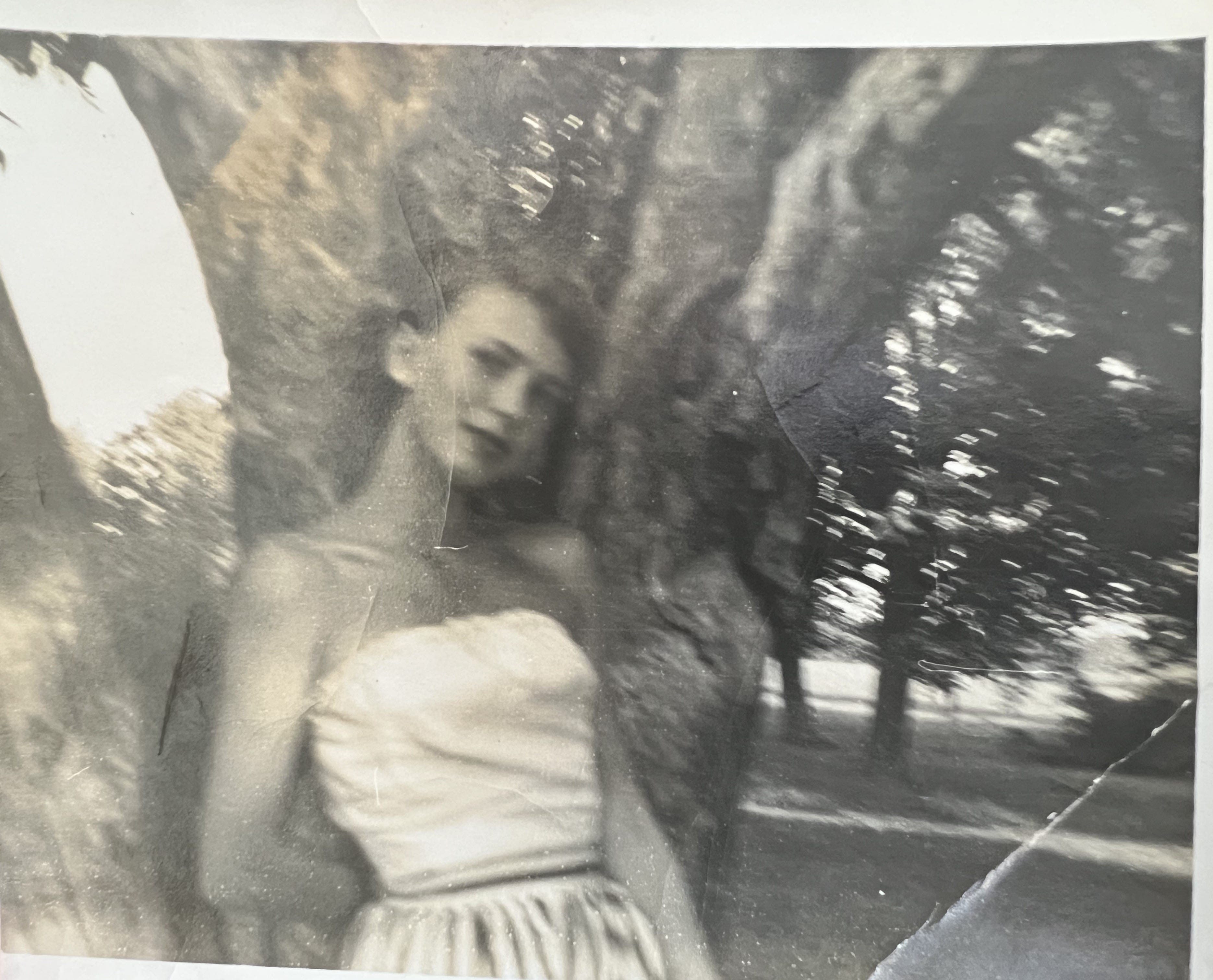
Here she wrote about visiting the farm in her dreams too.
I left the farm when I was in my late teens heading for another kind of life, but I never lost my attachment to it. Inexplicably, even now, the farmhouse often turns up in my dreams even though I have lived in several other houses for much longer than I lived on the farm. But I did go back every chance I had to take my children, your mother and your uncles Win and Ed, because a military family need roots. They thought of the farm as their home, too.
– Margaret Vining
I hope this can be a place where I can share some of my family stories and memories and maybe inspire you to remember and record yours.
We are dust and to dust return.
In the end we’re
neither air, nor fire, nor water,
just
dirt,
neither more nor less, just dirt,
and maybe
some yellow flowers.
— Pablo Neruda
This piece beautifully captures how land can act as both memory and inheritance, not just physically, but emotionally and spiritually. What stands out is the way dreams, stories, and history intertwine, making the past feel present rather than distant. It’s a powerful reminder that preserving family history is about holding onto the places and stories that give those records meaning.
I don't know this area at all but after reading your story I feel connected to it